Starting with the seed
Considering positioning alongside the seed and its coating requirements.

Combine glycine betaine and nutrients to support early growth and tolerance to abiotic stress in cereals, maize and soybean.


Seed treatment makes it possible to position a biostimulant base from the start of the cycle. The profiles studied combine glycine betaine and nutrients to support germination, initial vigour and root establishment.
Nutrient profiles are selected for each species. The aim is to connect osmoprotection with early needs and establishment conditions, using a product documented for the crop.
HEXAGRO develops the solution around your process: a clear function, a suitable formulation and preparation requirements matched to the seed.
Three reference points for understanding this family’s positioning.
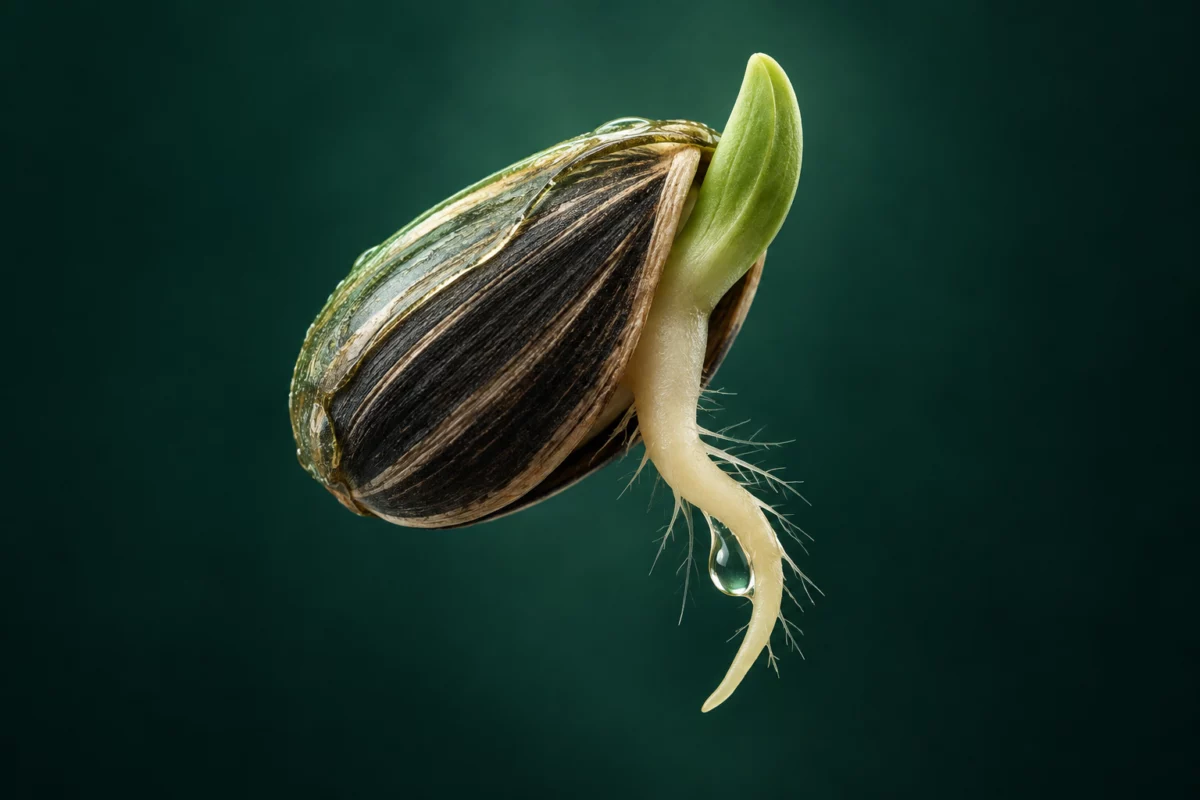
Considering positioning alongside the seed and its coating requirements.
Combining glycine betaine and nutrients according to the formulation’s profile.
Connecting the solution with early growth needs and establishment conditions.
Symbolic illustration. The profile and conditions of use are defined for each formulation.
Glycine betaine and nutrients are incorporated during seed preparation to support early development. Select the profile for the species and emergence conditions.
Nutrient combinations complement the biostimulant base to support young plants during early growth.
The objective is to support the establishment of the root system and access to nutrients during the first stages of growth.
Glycine betaine provides an osmoprotective approach to water, temperature or salinity stress. Define the intended functions using product data and application conditions.
A nitrogen and phosphorus base combines manganese, molybdenum and zinc with glycine betaine in a formulation intended for cereals.
Nitrogen, phosphorus and potassium are combined with chelated zinc and glycine betaine to support early maize growth.
A nitrogen and phosphorus base combines boron, molybdenum and zinc with glycine betaine. Select this profile for its documented soybean uses.
The quantity depends on species, seed mass, thousand-grain weight and coating method. Follow the selected product’s application recommendations.
Consider product volume, any dilution and other components together. Check distribution uniformity and seed coverage as part of preparation.
Assess planned mixtures against the product, seed and storage conditions. If a product also permits foliar use, those recommendations remain separate from its seed treatment instructions.
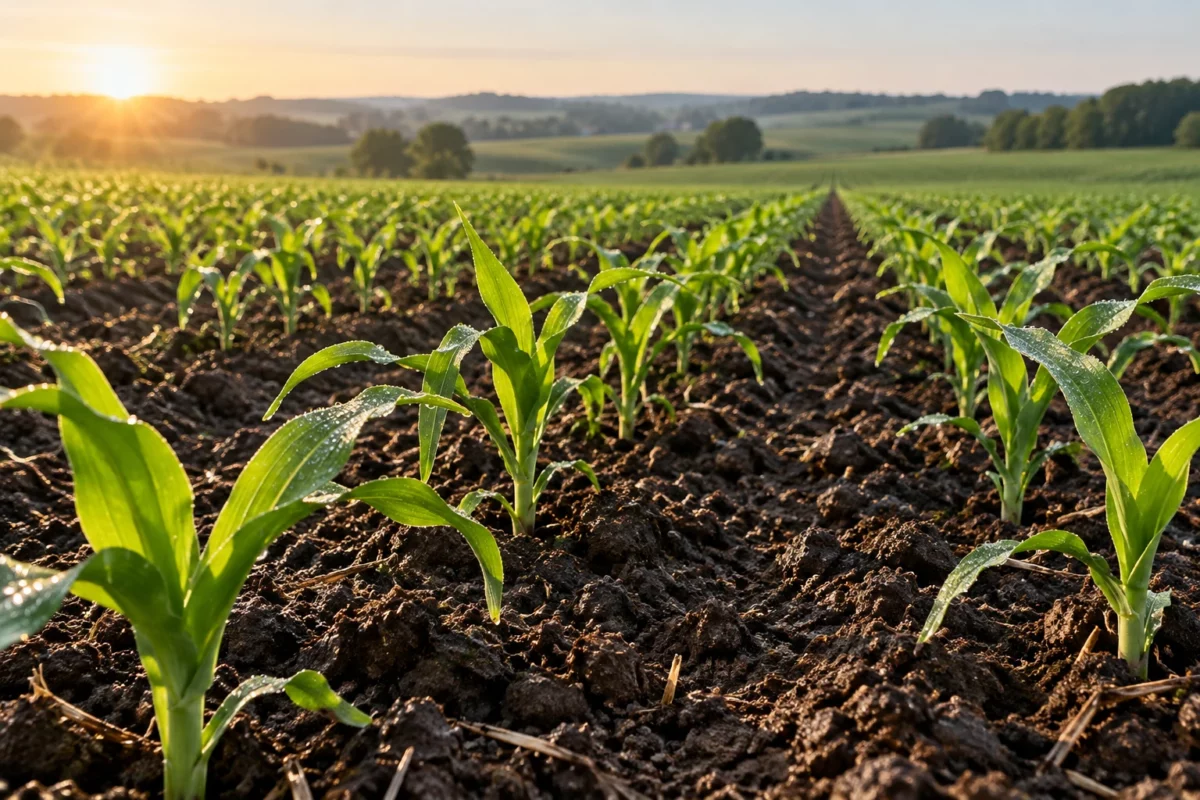
We connect agronomic function with seed preparation requirements. Species, seed lot, formulation and equipment guide a range that your network can explain and use effectively.
Crop, establishment conditions and objective: define the coating’s intended function.
Nutrition or glycine betaine associated with nutrients: select the response documented for the species.
Dose, total volume, coverage, mixtures and germination: define the controls with your process.
Packaging, instructions and documentation: give your network practical guidance suited to the destination market.
The crops below are covered by the seed-coating formulations reviewed. Follow the preparation guidance for the selected product.
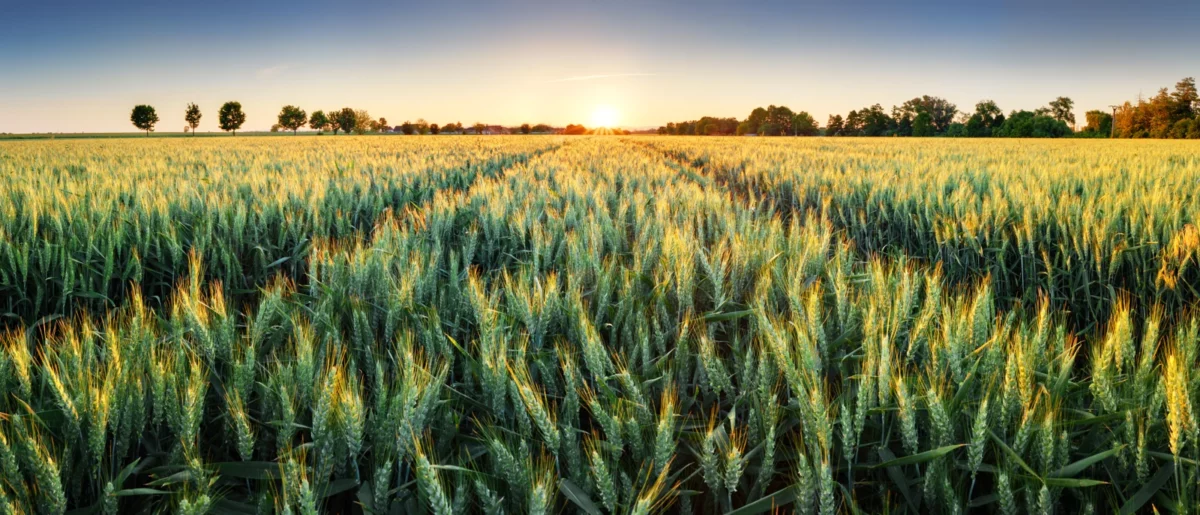
Coating supports early crop development within the fertilisation and sowing programme. Seed lot quality, soil conditions and climate all contribute to the outcome.
Define application rate, dilution and mixtures for each product. Available data and process checks guide preparation and storage requirements.
An existing solution, an adaptation or a need to define: let’s start with your market and objectives.