Humic & fulvic fractions
Choosing a profile according to the nature of the fractions and the formulation.

Support nutrition through the root environment. HEXAGRO helps you develop a biostimulant range suited to your market’s soils, crops and irrigation practices.
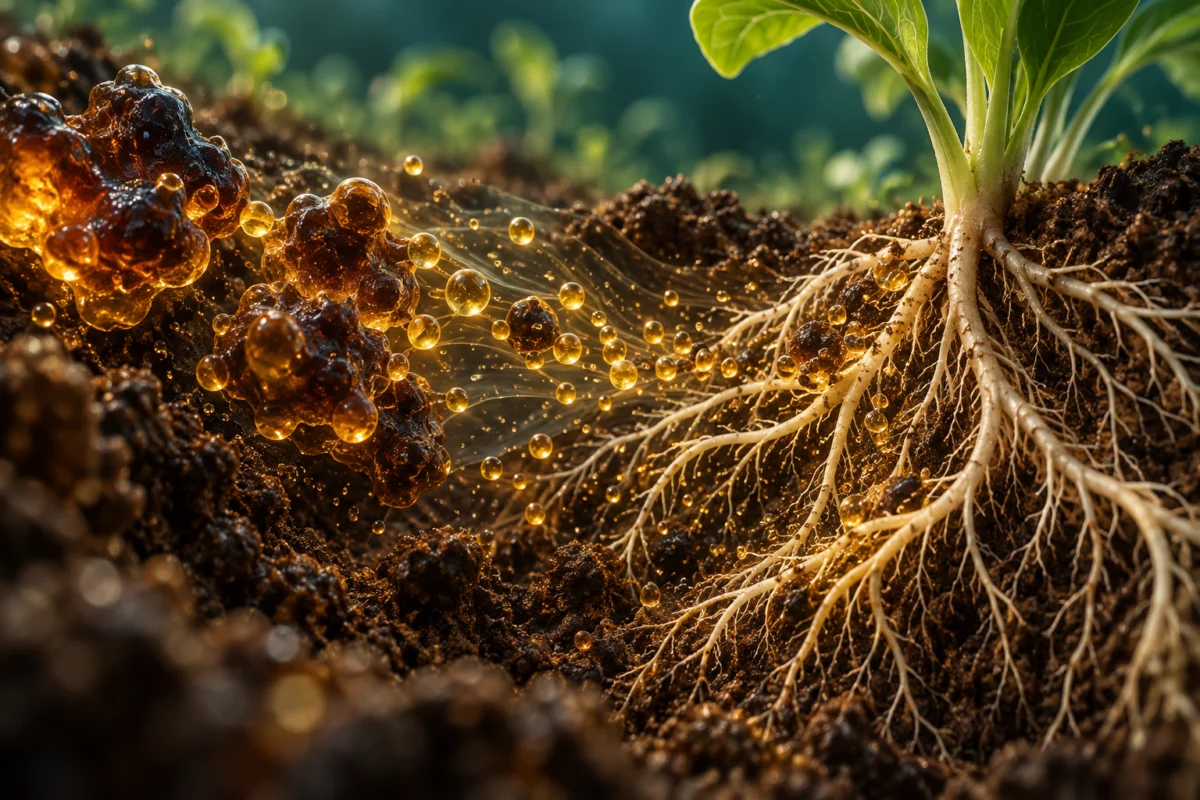
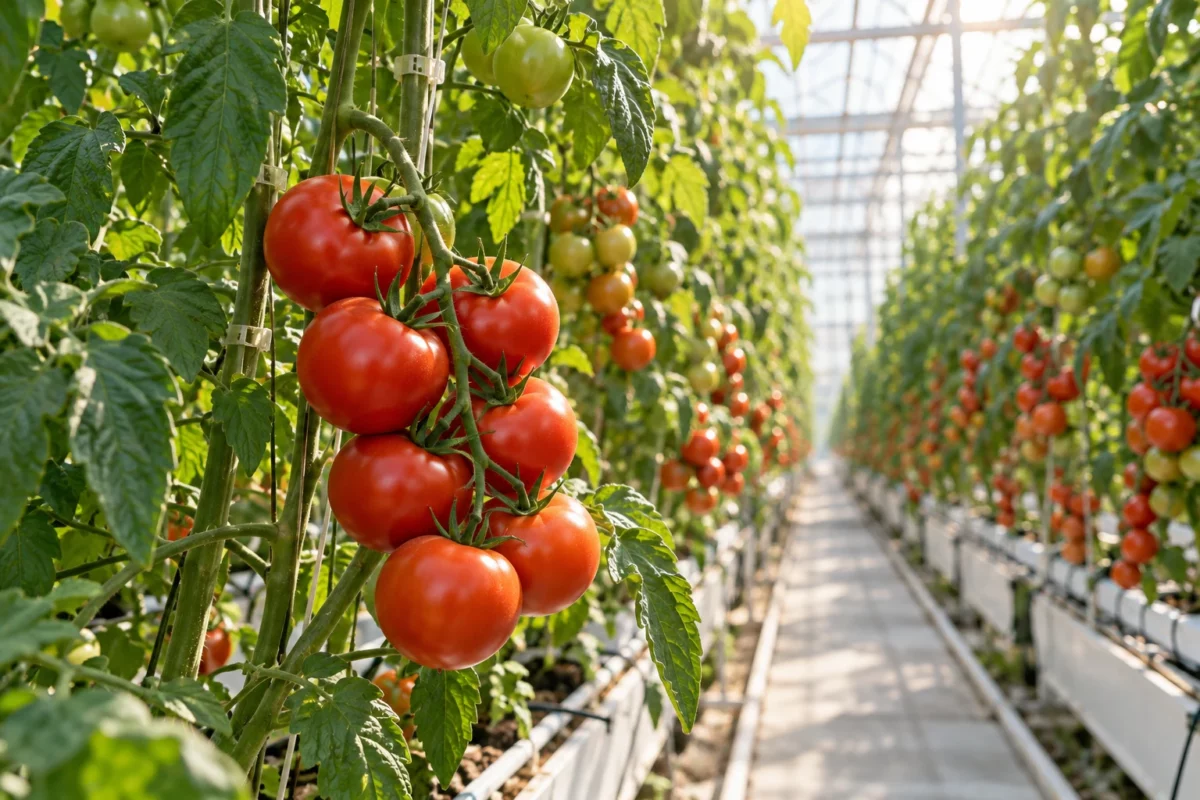
Nutrition depends on the nutrients supplied and on whether roots can access them. Humic and fulvic acids offer a biostimulation approach focused on the root environment and nutrient availability.
Combined in a liquid formulation, humic and fulvic acids can complement fertigation programmes. The aim is to support soil physicochemical properties and conditions for nutrient uptake throughout the crop cycle.
HEXAGRO links this approach to the practices of your customers: a characterised organic base, selected nutrient combinations and a clear role in the fertigation programme.
Three reference points for understanding this family’s positioning.
Choosing a profile according to the nature of the fractions and the formulation.
Working on the root environment to support nutrient use.
Connecting the solution with soil conditions, water quality and irrigation practices.
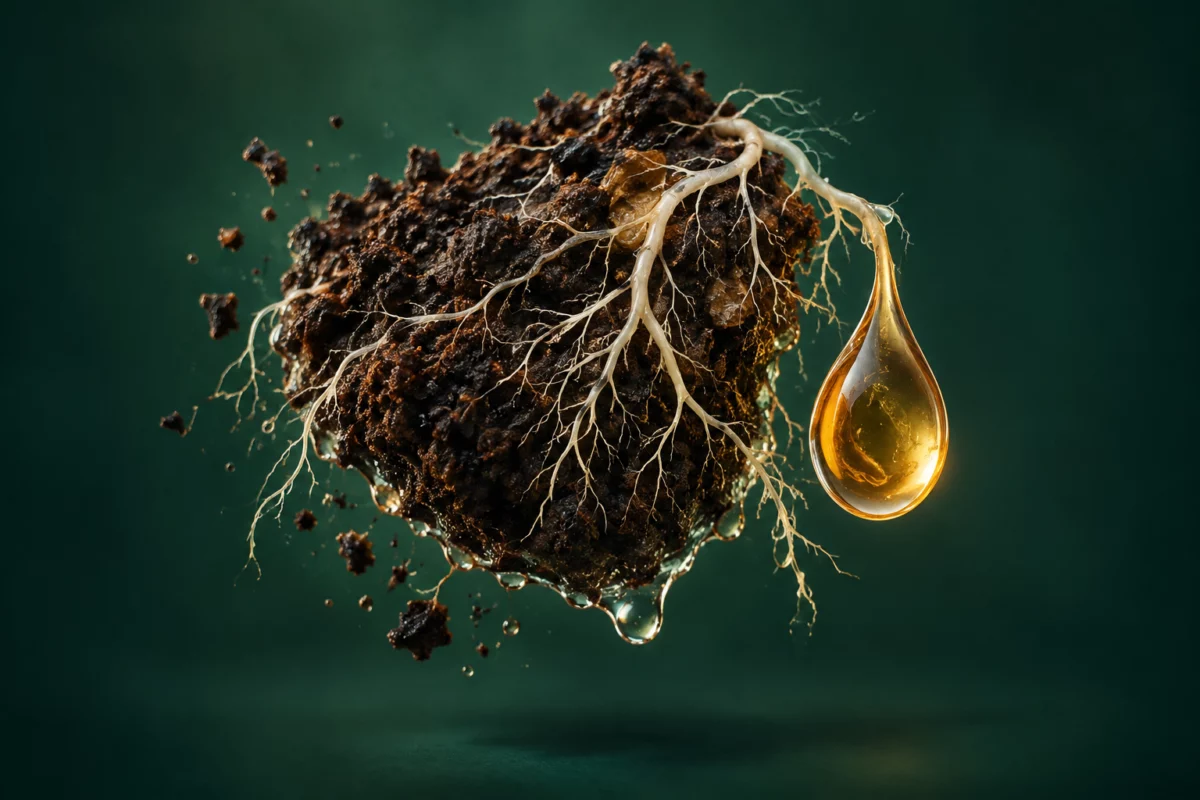
Symbolic illustration. The profile and conditions of use are defined for each formulation.
Humic substances take part in interactions between organic matter, soil and nutrients. Their relevance depends on soil characteristics and the formulation’s intended function.
The approach aims to support nutrient availability and uptake in the root zone. It is planned alongside soil diagnosis, water quality and the other nutrient inputs in the programme.
Integrating humic and fulvic acids into a nutrition strategy connects fertiliser inputs with the conditions in which they are used. Define the objective for each crop and growing environment.
Applications through irrigation follow the crop cycle. Split applications and timing are defined for the crop and selected formulation, following product recommendations.
A humic and fulvic formulation differs from a product rich in organic matter. HEXAGRO helps you assess each approach and its accompanying nutrients against the identified need.
These two fractions are combined in a liquid humic extract. Their characteristics and content help define the role of a product intended for the soil and root environment.
The profile presented combines humic substances with potassium. This nutrient contribution must be included in the overall nutrition plan, alongside other inputs and crop needs.
A separate formulation is rich in organic matter and supplies animal-derived organic nitrogen and iron. It has a distinct role, assessed against nutrient needs and the intended soil functions.
The solutions presented are intended for fertigation or watering. Solubility, uniform preparation and compatibility with other products guide their use.
Applications can accompany fertilisation from the start of the cycle, the first irrigations or renewed vegetative growth. Adjust timing as the crop and harvested parts develop.
Frequency, rate per application and total rate over the crop cycle are specific to the product and crop. Soil, substrate or plant analyses help refine the programme.
The humic and fulvic profile studied should not be mixed with products with an acidic reaction or with products containing calcium or magnesium. Water quality and preparation recommendations are checked before integration into the programme.

HEXAGRO connects the organic base, agronomic function and local irrigation practices. We help you build a clear biostimulation range with practical guidance for positioning and use.
Soil or substrate, organic matter, nutrient availability and water quality: gather the information needed to define the requirement.
Humic and fulvic acids, a potassium combination or a product rich in organic matter: assess documented characteristics against the intended function.
Irrigation method, timing, split applications and compatibility: plan use according to product recommendations and crop growth stages.
Positioning, packaging and documentation: define the solution’s place in your range. Uses, regulatory status and labelling are established for the destination market.
The crop groups below are covered by the humic and fulvic formulation reviewed. Applications are made through fertigation and timed to each crop’s growth stages.
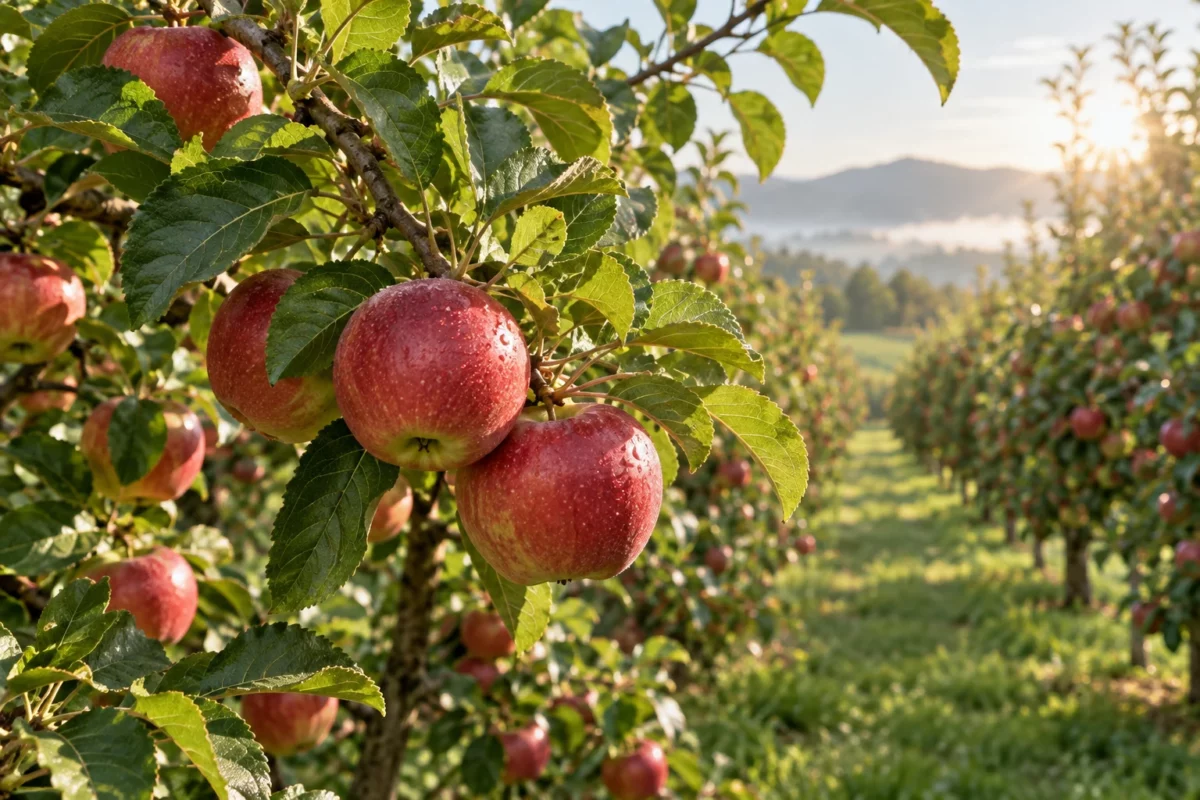
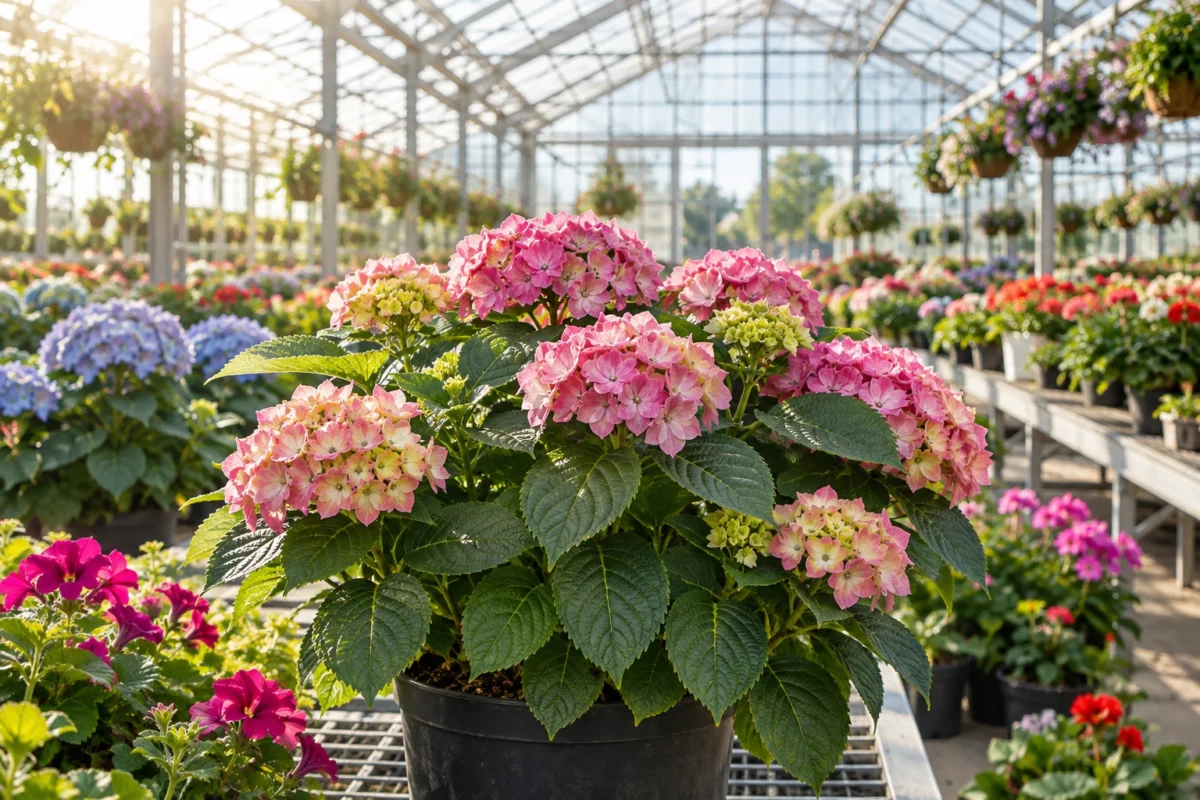
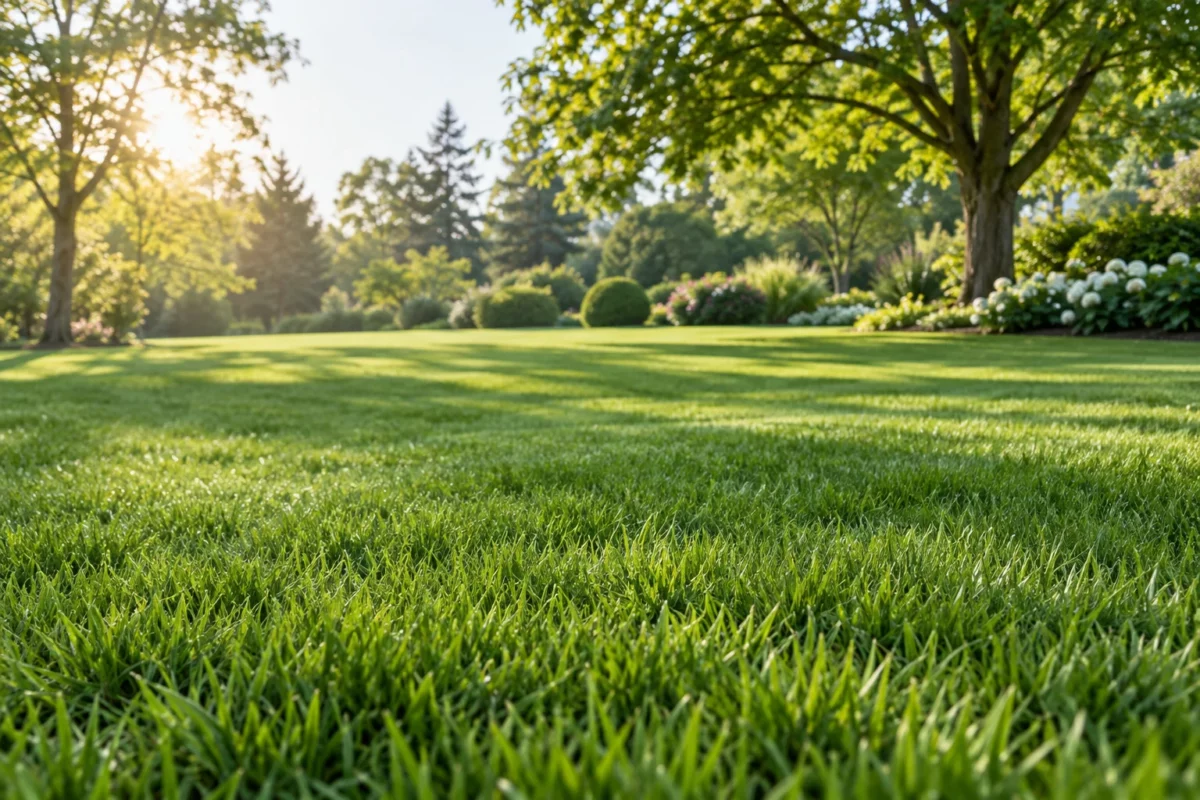
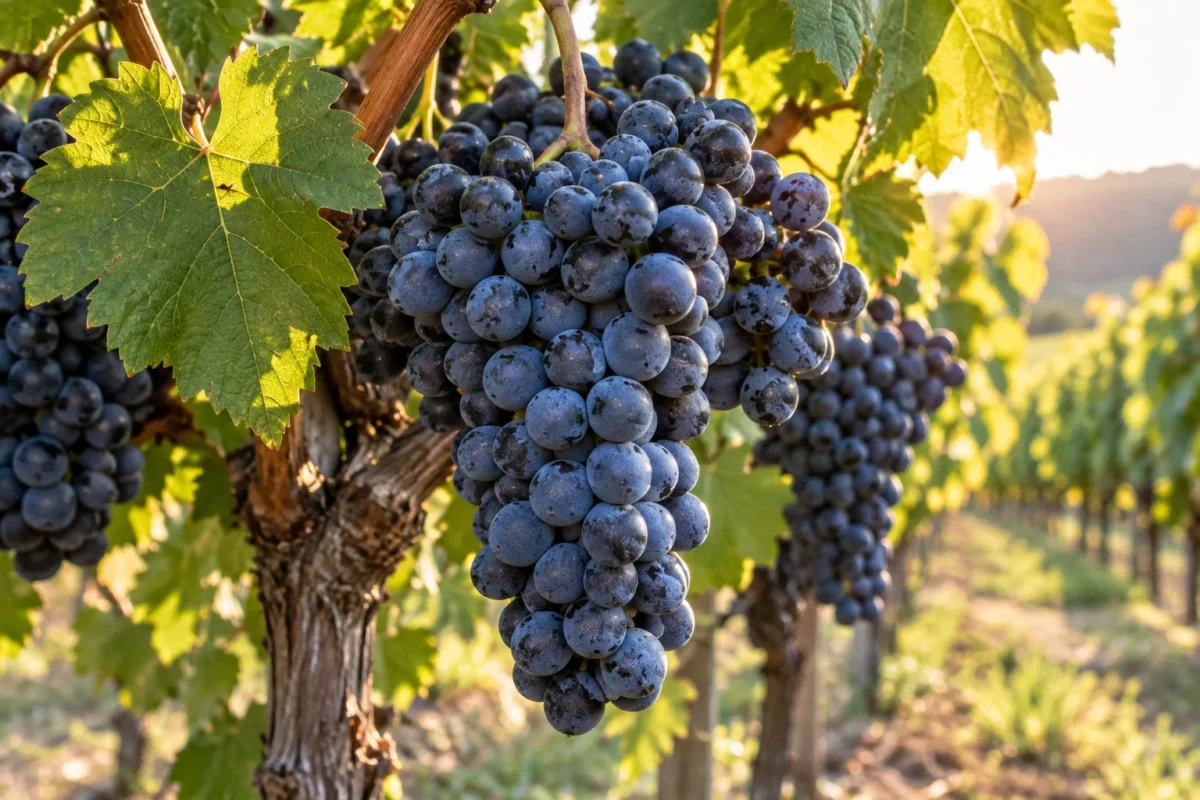
Humic and fulvic acids form part of an overall nutrition and water management strategy. Application rates, intervals and total quantities depend on the product and identified need.
Solubility and compatibilities are part of the choice, as much as agronomic positioning. Solution data and environmental diagnosis guide use. Suitability for use in organic farming must be checked for each product and destination market.
An existing solution, an adaptation or a need to define: let’s start with your market and objectives.