Osmoprotective base
Glycine betaine provides the basis for an osmoprotective approach.

Support tolerance to abiotic stress while addressing crop nutrition. HEXAGRO helps you combine osmoprotection and targeted nutrients in a range suited to your market.

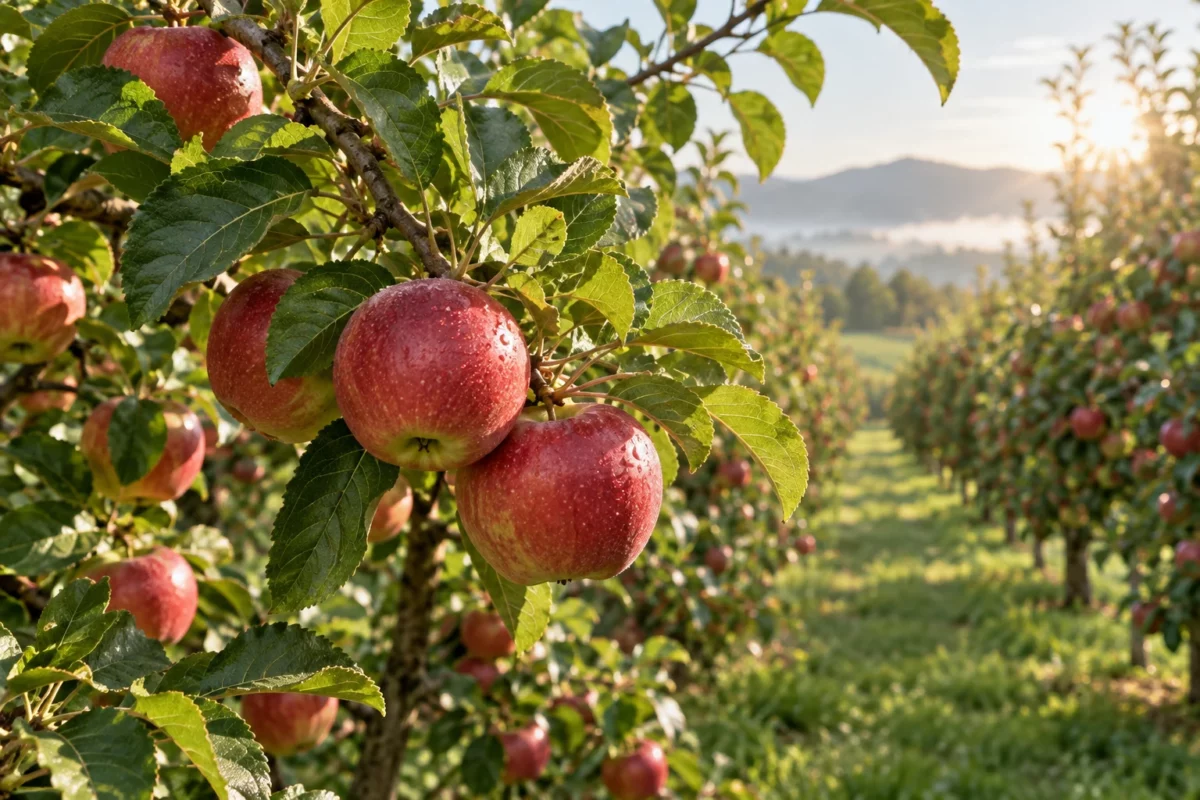
Water deficit, heat and salinity challenge plant function during key growth stages. Glycine betaine is an osmoprotective compound used to support tolerance to abiotic stress.
Its relevance depends on growth stage, climatic risk and crop condition. Combined with selected nutrients, it links biostimulation and nutrition within one programme.
HEXAGRO turns this diversity into a structured product range: a clear function, a relevant nutrient combination and positioning your network can explain.
Three reference points for understanding this family’s positioning.

Glycine betaine provides the basis for an osmoprotective approach.
Positioning considers water, temperature or salinity stress.
Choosing application timing and nutrient combinations according to the crop and formulation.
Symbolic illustration. The profile and conditions of use are defined for each formulation.
Where product instructions allow, plan applications before or during periods of risk, such as water deficit, heat or high evaporative demand.
Combine osmoprotection with the needs of active growth. Select complementary nutrient inputs according to the diagnosis and existing programme.
Connect tolerance to environmental stress with the needs of reproductive growth. Selected nutrient combinations are designed for these sensitive stages.
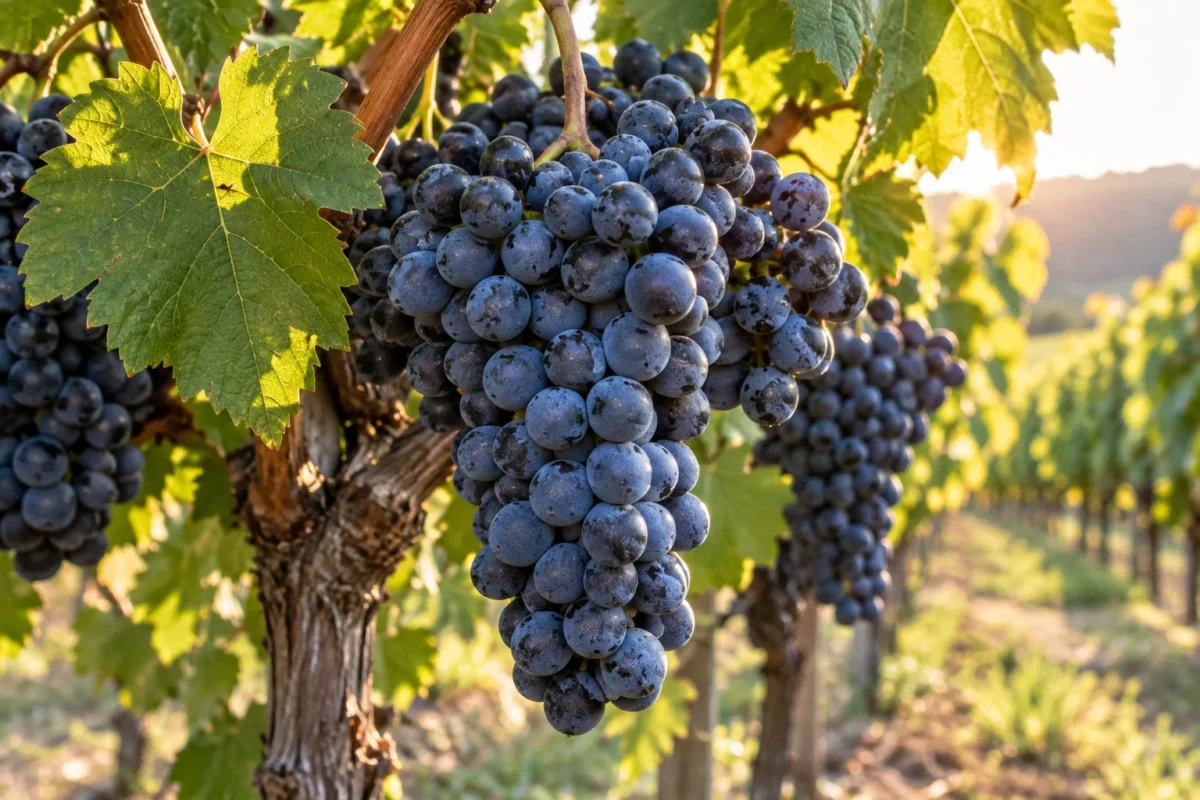
During growth and ripening, potassium-rich and calcium-based profiles serve different purposes. Choose according to the crop and identified need.
Glycine betaine content is one selection criterion. The complementary nutrients, their forms and intended use also matter.
Combinations with nitrogen and phosphorus target active growth and early development. Plant-derived organic formulations offer another nutritional approach.
Combinations with boron, molybdenum or other nutrients selected for flowering support reproductive stages according to the species’ needs.
Magnesium, iron, manganese, zinc or copper: the targeted profiles and trace element complexes are selected according to the nutritional state and the desired function.
Potassium-rich profiles address the needs of the developing crop. Calcium combinations are assessed against tissue nutrition and quality objectives.
The product information covers growth, pre-flowering, fruit set and fruit development. Application timing depends on the product, climatic risks and suitable spraying conditions.
Some micronutrient blends also allow root application. Follow the irrigation system requirements and product recommendations; this route does not apply to every foliar formulation.
Specific products are intended for cereal, maize or soybean seed coating. Mixture compatibility, the coating process, germination and young plant vigour all require validation.
Discover our coating solutions ↗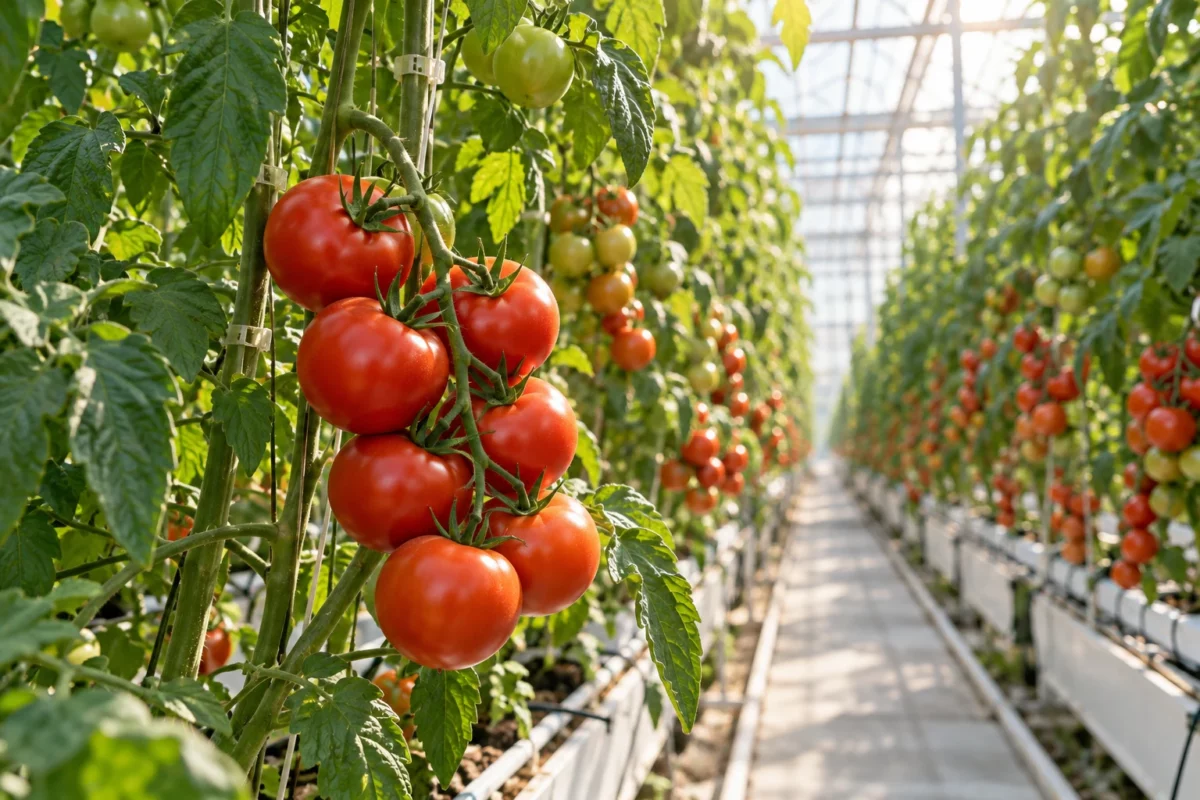
HEXAGRO links the osmoprotective function to the nutritional needs and practices of your customers. From the choice of the base to the documentation, each step builds an offer consistent with your market and the real conditions of use.
Crop, growth stage, water management and climatic constraints: define the need and application period.
Examine glycine betaine, associated nutrients and their forms in relation to nutritional diagnosis.
Application route, preparation, compatibility and timing: check the recommendations and data available for the chosen product.
Positioning, packaging and documentation: give your network practical guidance. Regulatory status and suitability for organic farming must be checked for each product and destination market.
The uses become more precise depending on the solution chosen. HEXAGRO studies the positioning with the crop, the growth stage and the constraints of the environment.





Biostimulation is integrated into fertilisation, water management and crop management. Application rates, intervals and compatibilities depend on the solution chosen and do not transfer from one profile to another.
The stage, nutritional status and climatic conditions guide the decision. The desired effects and recommendations for use are clarified based on the data available for the product and intended use.
An existing solution, an adaptation or a need to define: let’s start with your market and objectives.