Boron: prepare for fruit set.
Boron supports young tissue development, reproductive processes and sugar transport. Time applications to crop needs, particularly around flowering and fruit set.

Iron, boron, zinc, manganese, copper or molybdenum: identify the nutrient needed, then compare mineral, chelated and combined forms for the growing medium and application route.
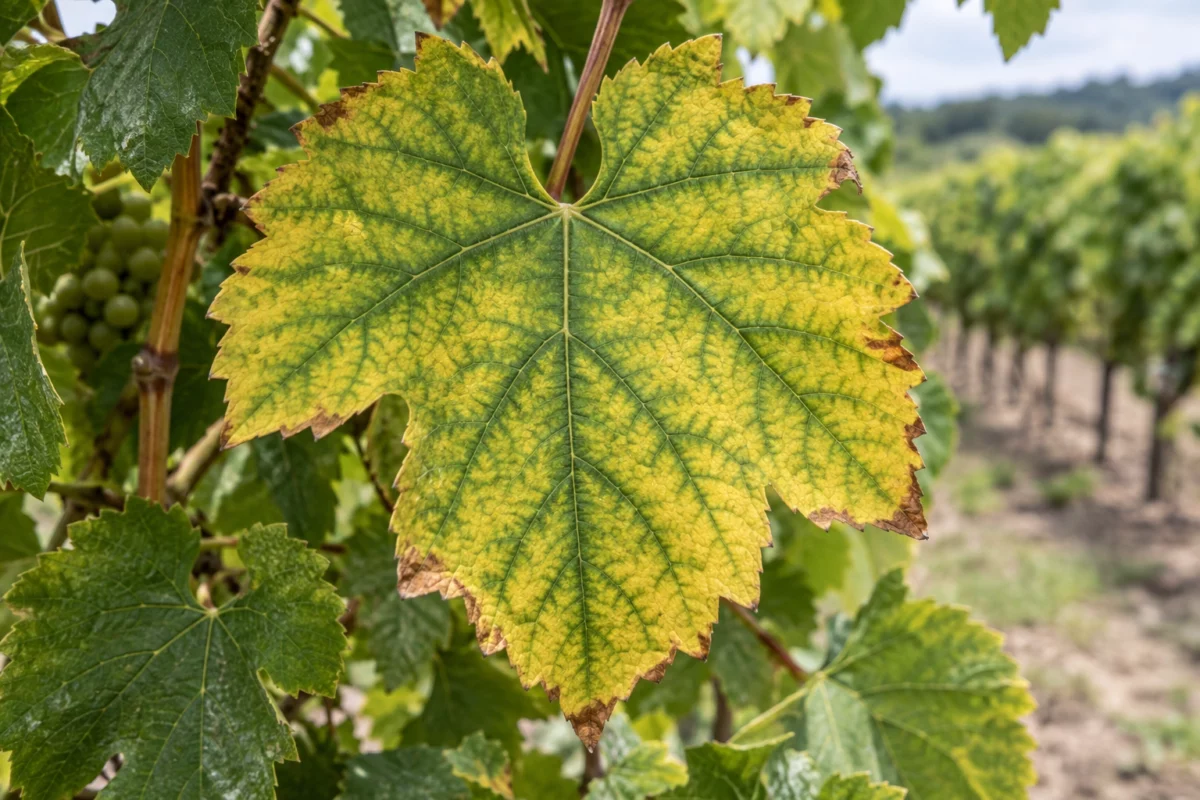
Iron, boron, zinc, manganese, copper and molybdenum support essential processes in crop growth and development. Needed in small amounts, they remain vital: an imbalance can limit plant function even when macronutrient supply is adequate.
Their availability depends on soil, pH, humidity and growing conditions. An element can be present without being sufficiently accessible to the roots. HEXAGRO helps you connect the identified need to the right nutritional form.

Each micronutrient has specific functions. A clear range gives every solution an agronomic purpose, avoiding unnecessary applications.
Boron supports young tissue development, reproductive processes and sugar transport. Time applications to crop needs, particularly around flowering and fruit set.
Copper is involved in enzymatic systems, photosynthesis and the formation of lignin. Copper nutrition solutions are chosen based on the identified need and sensitivity of the crop.
Iron participates in the synthesis of chlorophyll and in the mechanisms of photosynthesis. A suitable solution helps prevent or correct iron chlorosis when the diagnosis confirms insufficient availability.
Manganese contributes to photosynthesis and nitrogen metabolism. Select inputs according to soil availability, crop nutrient status and growth stage.
Molybdenum is involved in the use of nitrates and the biological fixation of nitrogen in legumes. Inputs are based on the species, soil conditions and diagnosed need.
Zinc participates in growth regulation mechanisms and the functioning of many enzymes. Targeted supplementation supports the first phases of development when zinc nutrition is limiting.

Simple micronutrients make it possible to adjust your nutrient supply when the need is identified. The choice of the element, its form and the method of application gives the correction a precise place in the nutritional programme.
Micronutrient blends or targeted combinations, such as boron with molybdenum, bring several functions together in one product. Match their nutrient balance to the diagnosis and target growth stages.
Liquids for dosing, water-soluble powders for nutrient solutions and suspensions for selected foliar uses: HEXAGRO matches the format to your customers’ practices. Select foliar, soil or fertigation use according to the product’s recommendations.
Correcting a deficiency involves more than choosing a nutrient. Chemical form, accompanying extracts and product format determine suitability. HEXAGRO helps you build a range for your customers’ growing conditions.
Soluble mineral salts allow targeted, simple or combined applications. The choice takes into account solubility, water quality and the intended route of application: foliar, soil or fertigation depending on the product.
A chelating agent maintains the metal in a form adapted to certain environmental conditions. For iron in particular, the choice between the different chelates is based on the pH, the soil or substrate and the method of supply.
Agents like lignosulfonates or gluconates are associated with nutrients. Their interest is examined with the nature of the complex, the stability of the preparation and the documented uses for the solution.
Some products, particularly copper formulations, are supplied as suspensions for targeted foliar applications. Dispersion, agitation and spraying equipment must be considered during selection and preparation.
Nutrients can be combined with seaweed extracts to bring together nutritional correction and physiological support. Options include boron, calcium, iron and micronutrient blends. The seaweed species and intended use must be checked for each product.
Selected micronutrients or nutrient blends can be combined with an osmoprotective base. Positioning connects nutritional needs with water, temperature or salinity stress.
Formulation base and product form are complementary choices. Liquid, water-soluble powder or suspension: the format depends on dosage, preparation, equipment and packaging requirements. Seaweed-based combinations may also contain mineral, chelated or complexed nutrients.
Nutrient content alone does not define a solution. The nutrient form, growing conditions and application method influence availability. HEXAGRO considers these factors for each nutritional need.
Boron supports young tissues and reproductive processes. Assess availability and time applications using crop diagnosis and flowering or fruit-set stages.
Soluble forms allow targeted boron supplementation. Soil, foliar or fertigation application depends on the chosen product and its recommendations.
Boron solutions based on ethanolamine facilitate dosage for foliar or soil applications. Their concentration is chosen with the dilution, the coverage and the desired stage.
Boron can be combined with molybdenum when reproductive functions and nitrogen metabolism require a joint response. This combination is tailored to the specific needs of the crop.
Copper nutrition options include soluble forms, chelates, and suspension formulations. Their behaviour during preparation and on the foliage influences the choice of solution.
Soluble or chelated copper solutions allow for targeted application. The choice between foliar and soil application depends on the specific product, crop needs, and crop sensitivity.
Copper suspensions have specific dispersion and leaf-adhesion characteristics. Agitation, dilution, and uniform coverage are key factors in their application.
Copper can be applied alone or in combination with manganese and zinc when multiple deficiencies are identified. The form and combinations are selected based on the desired function, rather than applying a one-size-fits-all programme to every crop.
In calcareous soils or when pH levels rise, iron availability can become a limiting factor. Selecting the right chelate allows iron nutrition to be tailored to the root environment and fertigation management.
Chelated iron solutions for fertigation are selected based on the pH of the water, substrate, and nutrient solution. Their liquid form makes dosing and integration into the programme easy.
Different chelation forms offer varying stability ranges. HEXAGRO helps you select a solution suited to the growing environment and maintain iron availability under intended usage conditions.
Specific chelates offer stability suited to high pH levels and calcareous soils. This approach aims to preserve iron accessibility for roots when natural availability is insufficient.
Our approach: Select the iron form based on growing medium characteristics, then determine the dosage and timing of the application within your programme.
Manganese plays a role in photosynthesis and nitrogen metabolism. Diagnosis helps determine if availability is limiting crop nutrition and guides the application method.
Soluble manganese forms allow for targeted application. Foliar, soil, or fertigation methods are selected based on the specific solution and growing conditions.
Chelation and complexation are formulation options available in certain products. The choice depends on the desired availability and the application environment.
Water-soluble blends containing manganese can supplement fertigation inputs. The dosage and balance of the blend are determined based on the water, other elements, and crop requirements.
The product information identifies acidic soils and certain wet conditions as risk factors for molybdenum deficiency. Application is guided by crop species and nutritional diagnosis.
A soluble form allows for a targeted molybdenum application. Dosage and application method are tailored to the crop and the chosen solution.
In legumes, molybdenum plays a role in biological nitrogen fixation and also contributes to nitrate utilisation. This nutritional function guides the timing of the application.
Molybdenum can be integrated into a boron–molybdenum solution or into a multi-trace element mixture. The association is chosen when the diagnosis and stage justify joint supplementation.
Zinc helps regulate growth. When diagnosis confirms a need, select a suitable nutrient form and application route.
Simple solutions based on soluble zinc can meet a specific need. The mode of delivery and the stage are defined with the product recommendations and the crop context.
Zinc can be present in chelated or complexed form in mixtures. It then completes a nutritional response combining several elements, according to the diagnosed needs.
Water-soluble blends can supply zinc through fertigation. Set its concentration and the blend’s application rate alongside the other nutrient inputs.
Solubility, chelation and complexation influence nutrient availability and behaviour in the application environment. Complexed liquid blends can address several needs, while soluble powders are used to prepare nutrient solutions.
Chelated copper and suspension formulations differ in solubility, dispersion and retention on the leaf. Selection depends on the nutritional purpose and application method.
HEXAGRO develops the solution around your specifications: crop, application method, preparation, dilution and conditions of use.
A deficiency corrector is valuable when it addresses the diagnosed need. We connect agronomy, formulation and your distribution network’s requirements.
Observe the crop and gather useful analyses: soil, substrate, water or plant tissues. Discolouration or slowed growth alone are not enough to identify a deficiency.
Simple nutrient supply or mixture, soluble, chelated, complexed or suspension form: build the response with the pH, the constraints of the environment and the route of application.
Whether preventing an identified risk or correcting a confirmed deficiency, match growth stage, application rate and split applications to crop needs and product guidance.
Give each product a clear role, with positioning, packaging and practical guidance that help your teams support its use in your market.
From orchards to field crops, from greenhouses to green spaces: needs vary with the species, stage and environmental conditions. The solutions are selected for the uses provided for by their technical recommendations.





Micronutrient rates must match diagnosed needs and the overall nutrition programme. For foliar use, spray volume, leaf coverage and weather conditions guide the application.
In fertigation, water quality, dissolution and injection ratio are part of the choice. The compatibility of the mixtures and the agitation of the suspensions are verified for the products concerned.
Some solutions can be used in organic farming. Their eligibility and documentary requirements are specified with the destination market.
An existing solution, an adaptation or a need to define: let’s start with your market and objectives.