Prepare for planting.
Plan basal applications around identified needs. A phosphorus-rich formulation may be suitable at planting where soil nutrient reserves justify it.

Mineral and organo-mineral granules and slow-release approaches: plan base and maintenance inputs around soil analysis, the crop and spreading equipment.

A soil fertilisation programme accounts for what the soil already supplies and what the crop still needs. Soil analysis, previous cropping, growth stage and yield objectives guide the choice.
HEXAGRO helps you develop a granular fertiliser range tailored to your customers’ needs : basal applications, planting, renewed growth or maintenance. These fertilisers are spread directly over the area to be fertilised. Uniform distribution, the correct rate and application timing all contribute to the programme.

From planting needs to crop maintenance, we help you differentiate solutions by their agronomic role.
Plan basal applications around identified needs. A phosphorus-rich formulation may be suitable at planting where soil nutrient reserves justify it.
Support renewed vegetative growth with suitable nutrition. Select nitrogen forms and availability according to crop timing and soil conditions.
Balance major nutrients to meet crop needs, accounting for what the soil already supplies. Soil and plant analyses guide the choice of formulation.
Potassium-dominant solutions can support the development of fruits, tubers or other harvested organs, depending on production needs.
Magnesium, sulphur, calcium and micronutrients can complement selected formulations. Include them where diagnosis identifies a need.
Readily available nutrients, organic nitrogen mineralisation and slow-release technologies offer different ways to plan nutrient supply. Release patterns and duration depend on the product and growing conditions.
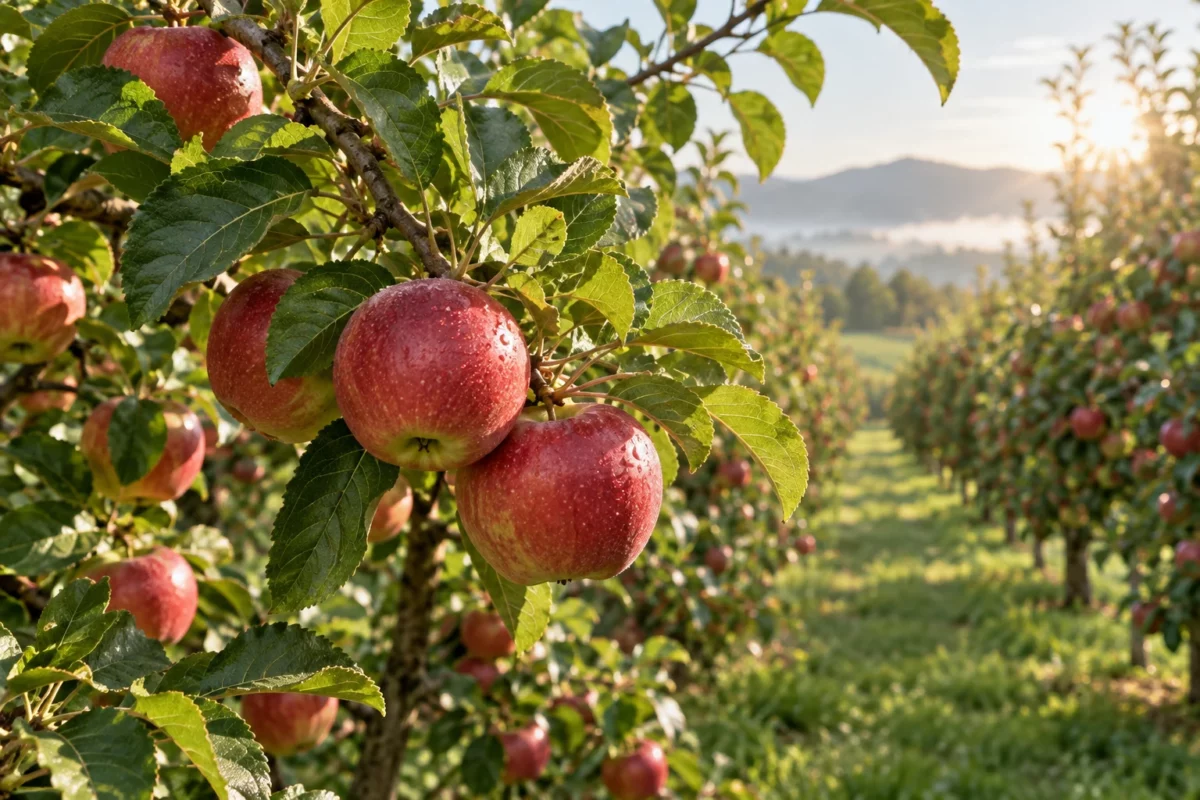
Granular mineral fertilisers combine nutrients in ratios suited to basal or maintenance applications. Some formulations supply potassium as sulphate and have a low chloride content, where these properties are relevant.
These formulations combine organic materials and mineral elements. The mineral fraction and organic nitrogen, the availability of which depends on mineralization, make it possible to consider immediate needs and the rest of the cycle together.
HEXAGRO helps you position each solution with a clear function in your range. The choice is based on the soil, crop and practices of your customers.
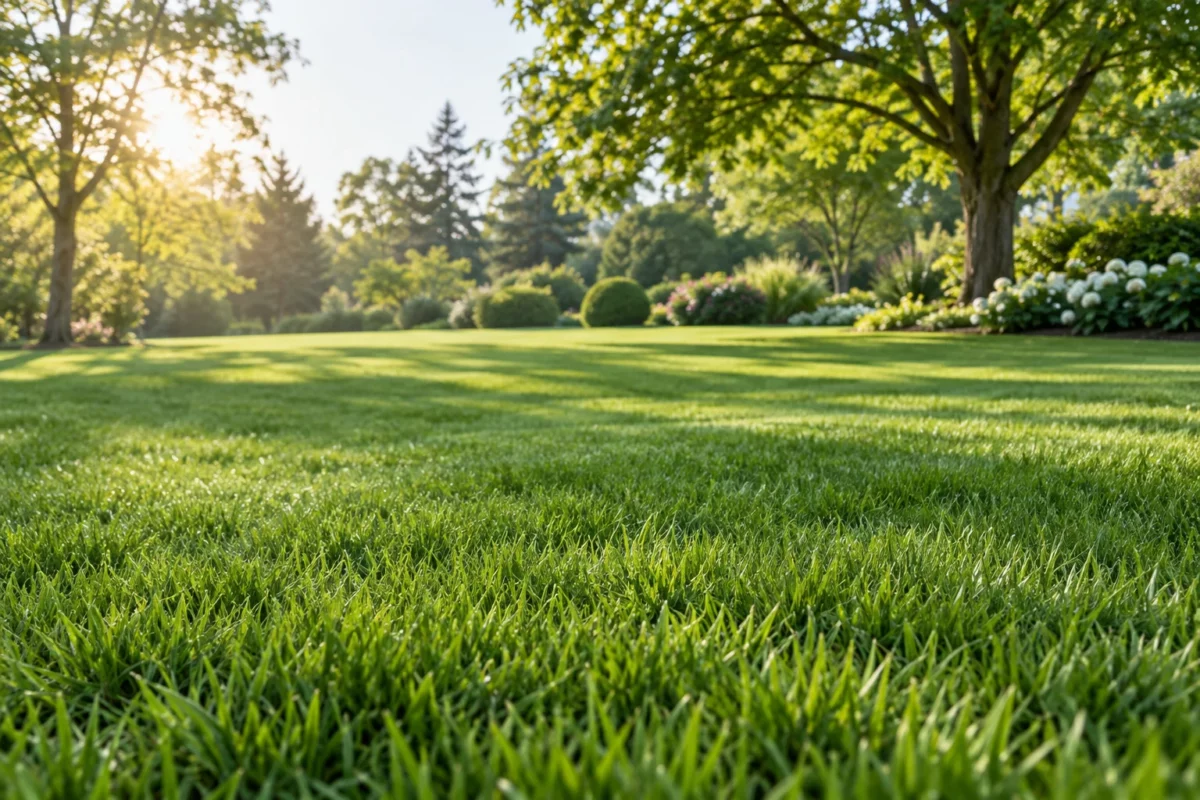
For lawns and certain horticultural productions, slow release solutions can complete the offer. They combine several forms of nitrogen in order to spread part of its availability.
This approach helps build a programme around growth periods and maintenance requirements. The expected release period is product-specific and depends on the conditions of use.
We connect agronomic needs, granule characteristics and the requirements of your distribution network.
Soil analysis, crop, previous applications and objectives: establish the nutrients required before selecting a product.
Mineral, organomineral or slow release: examine the forms of the elements and their availability with the stages of the programme.
Broadcast application, granule size and equipment settings: aim for even distribution over the area to be fertilised, using the recommended rate and application timing.
Provide clear positioning, packaging and documentation so your teams can explain the range and its uses.
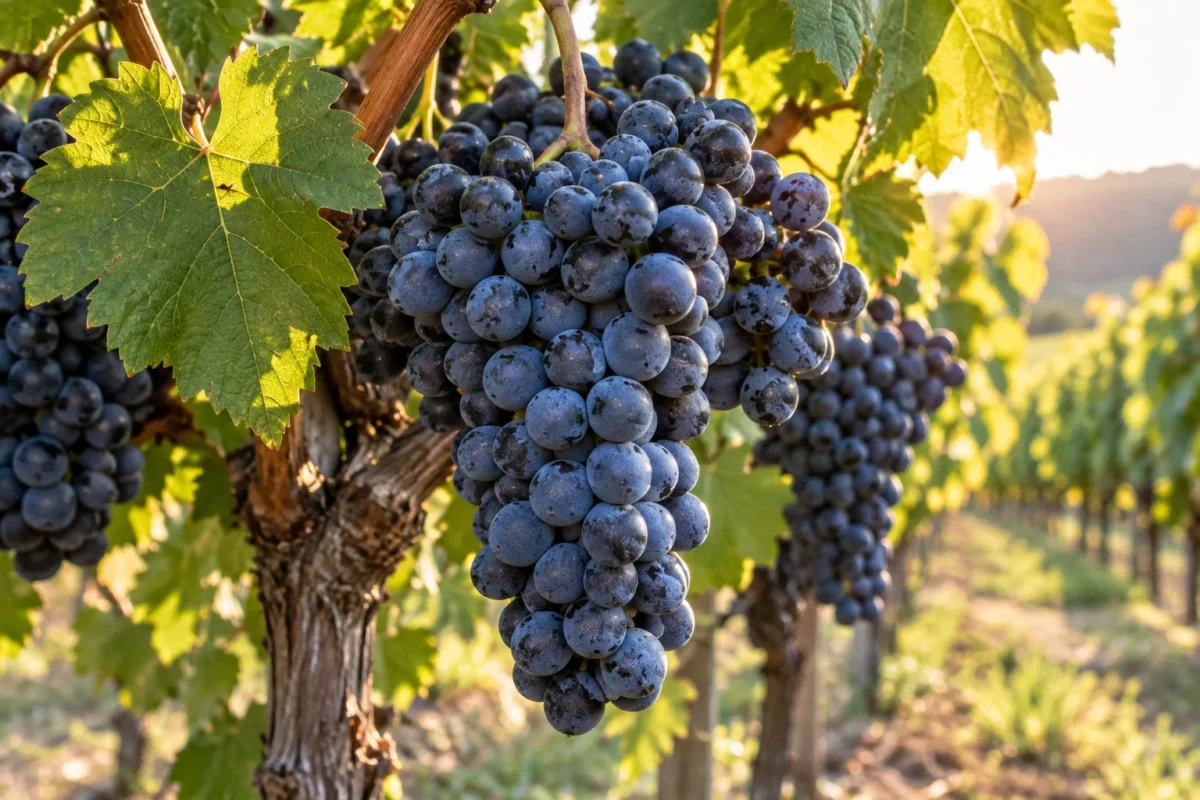
From orchards and industrial crops to field crops and turf, application strategies are defined by crop requirements and the needs identified.

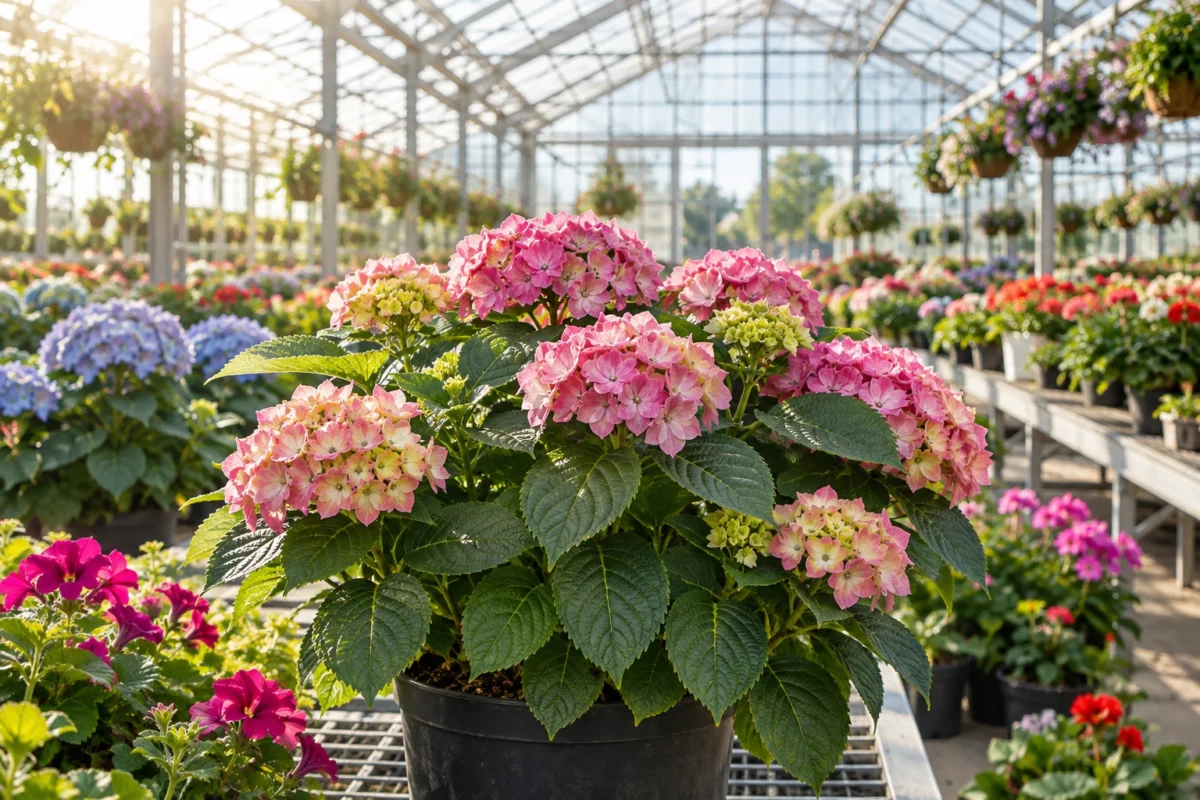
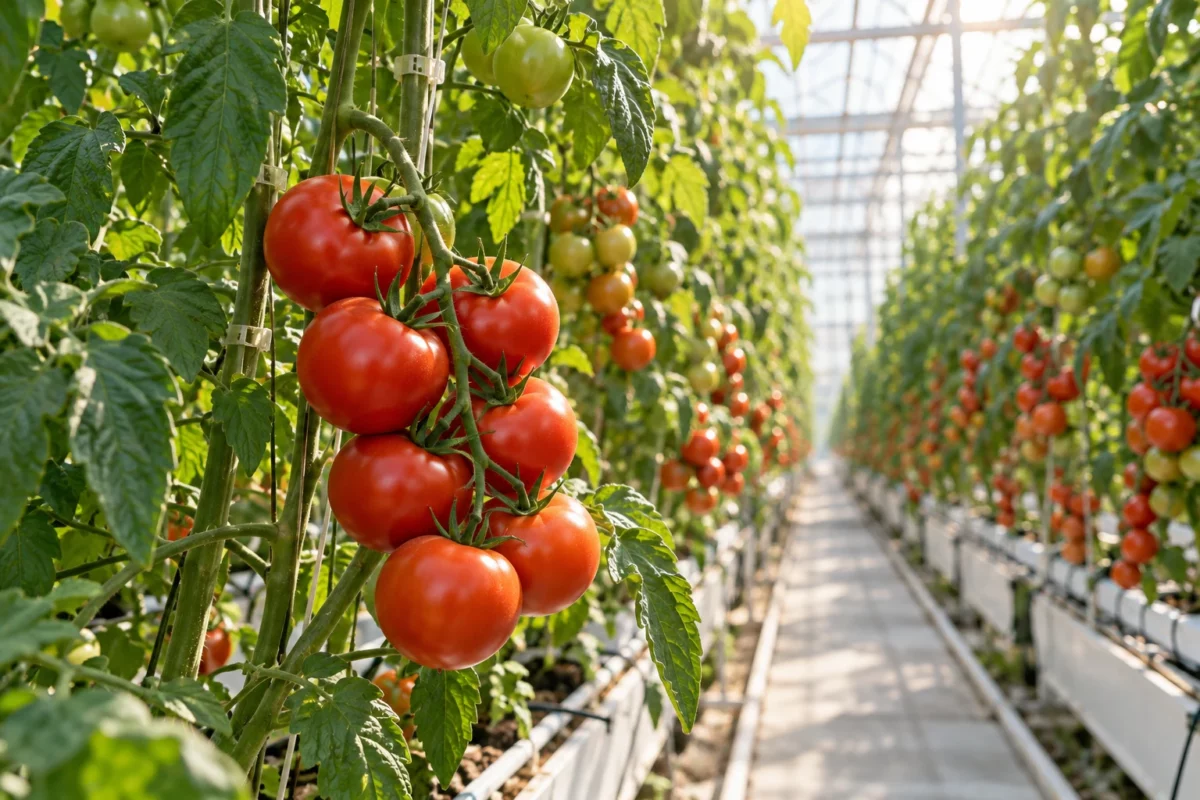

Application rates and timing depend on soil, climate and crop. Recommendations cannot be transferred unchanged between growing conditions.
For organic farming projects, the admissibility of the chosen solution is verified according to the destination market. This characteristic does not apply to all soil fertilisers.
An existing solution, an adaptation or a need to define: let’s start with your market and objectives.